
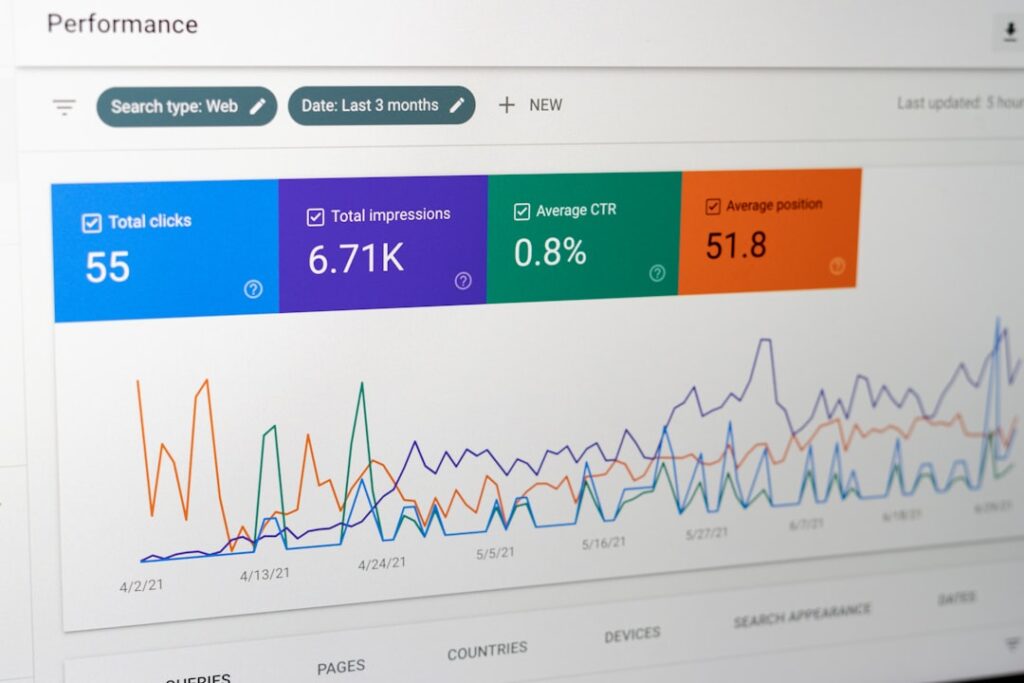
Here’s what most guides won’t tell you about artificial intelligence search engine optimization: AI hasn’t replaced the need for SEO expertise — it’s amplified what skilled practitioners can accomplish. The real advantage isn’t in automating everything. It’s in knowing which parts of your SEO workflow benefit from AI assistance and which still demand human judgment. At WordPress AI Tools, we’ve watched countless site owners either over-rely on AI or ignore it entirely. Both approaches leave significant traffic on the table.
This guide breaks down exactly how AI is reshaping search engine optimization, which tools actually deliver results (and which are overhyped), and the specific strategies you can implement today — whether you’re running a personal blog or managing SEO for multiple client sites.
What Is Artificial Intelligence Search Engine Optimization?
Artificial intelligence search engine optimization is the practice of using AI-powered tools, models, and automation to improve how your website ranks in search engines. It spans everything from AI-assisted keyword research and content creation to automated technical audits and predictive analytics. Think of it as giving your SEO workflow a co-pilot that can process data at a scale no human team could match — but still needs a human at the controls.
Traditional SEO relied heavily on manual keyword research, hand-crafted meta descriptions, and gut-instinct content planning. AI SEO doesn’t throw those fundamentals out the window. Instead, it layers machine learning, natural language processing (NLP), and large language models (LLMs) on top of proven SEO principles to help you work faster, spot opportunities sooner, and optimize more precisely.
Key Components of AI SEO
Content optimization: AI tools analyze top-ranking pages, identify semantic gaps in your content, and suggest improvements based on what search engines reward — not just keyword density, but topical depth, readability, and search intent alignment.
Technical SEO automation: Crawling thousands of pages for broken links, duplicate content, and schema markup errors becomes a background task instead of a multi-day project.
Predictive keyword research: Rather than reacting to existing search volume data, AI models can forecast emerging topics and trending queries before your competitors catch on.
Search intent classification: AI excels at categorizing queries into informational, navigational, transactional, and commercial intent — helping you create the right content format for each keyword cluster.
How AI Is Changing SEO in 2026
The biggest shift in 2026 isn’t a single tool or technique — it’s that search engines themselves now run on AI. Google’s Search Generative Experience (SGE) and AI Overviews have fundamentally altered what “ranking #1” means. Getting your content cited in an AI-generated answer box is becoming as valuable as occupying the traditional top organic position. This changes the optimization game entirely.
AI Overviews and Zero-Click Search
Google’s AI Overviews now synthesize answers directly in search results for a growing percentage of queries. For site owners, this means optimizing for citation within those AI summaries — not just for blue-link clicks. Content that provides clear, authoritative, well-structured answers has the best chance of being pulled into AI-generated responses. If your content reads like thin filler, AI Overviews will source from your competitors instead.
Semantic Search Over Keyword Matching
Search engines in 2026 understand meaning, not just words. Google’s MUM (Multitask Unified Model) and similar AI systems process queries contextually, understanding relationships between concepts across languages and media types. This means stuffing exact-match keywords is not only ineffective — it can actively hurt your rankings. The winning approach is building topically comprehensive content that demonstrates genuine expertise.
E-E-A-T Is More Important Than Ever
Experience, Expertise, Authoritativeness, and Trustworthiness (E-E-A-T) signals have become even more critical as AI helps Google distinguish between surface-level content and genuine subject matter expertise. AI-generated content that lacks original insight or first-hand experience is being filtered out. The paradox? AI tools help you create content faster, but the content still needs authentic human expertise baked in to rank well.
Multimodal Search Optimization
AI-powered search increasingly processes images, video, and audio alongside text. Optimizing only written content means you’re ignoring a growing portion of search visibility. In 2026, smart AI SEO strategies include generating optimized alt text with AI, creating video summaries of key content, and ensuring images are contextually relevant — not just decorative.
Best AI Tools for SEO Optimization

If you’re feeling overwhelmed by the sheer number of AI SEO tools available, you’re not alone. We’ve tested dozens of them. Here’s an honest breakdown of the tools that actually deliver measurable improvements — along with their limitations and real costs. A critical gotcha to watch for: many AI SEO tools advertise low introductory prices but have significantly higher renewal rates.
| Tool | Best For | AI Capabilities | Starting Price (Monthly) | Key Limitation |
|---|---|---|---|---|
| Surfer SEO | Content optimization | NLP-based content scoring, SERP analysis, outline generation | ~$89 | Focused on content; limited technical SEO |
| Semrush (with AI features) | All-in-one SEO suite | AI keyword clustering, content assistant, competitive analysis | ~$130 | Steep learning curve; higher cost for full features |
| Clearscope | Enterprise content optimization | Semantic analysis, content grading, intent matching | ~$170 | Expensive for small sites; content-only focus |
| Frase | Content briefs and research | AI-generated briefs, SERP research, answer engine optimization | ~$15 | Writing quality varies; needs human editing |
| ChatGPT / Claude AI | Drafting, brainstorming, meta descriptions | General-purpose LLMs for content generation and analysis | Free–$20 | No built-in SERP data; requires SEO prompting skill |
| Ahrefs (with AI features) | Backlink analysis and keyword research | AI-powered keyword suggestions, content gap analysis | ~$99 | AI features still evolving; core strength is link data |
| MarketMuse | Content strategy and planning | Topic modeling, content inventory analysis, prioritization | ~$149 | Complex interface; best suited for larger content teams |
| NeuronWriter | Budget-friendly content optimization | NLP content recommendations, competitor analysis | ~$23 | Smaller database than enterprise alternatives |
How to Choose the Right AI SEO Tool
A tool needs to save at least twice its monthly cost in time to justify the expense. Before committing, ask yourself three questions: What is my biggest SEO bottleneck right now? Is it content creation, technical auditing, or keyword research? How many pages am I optimizing per month? And does this tool integrate with my existing WordPress workflow?
For solo bloggers and small WordPress sites, start with Frase or NeuronWriter paired with a free-tier LLM like ChatGPT. For agencies managing multiple client sites, Semrush or Surfer SEO offer the breadth of features that justify their higher price points. And always check the renewal rate before committing — some tools double in price after the first year.
AI-Powered SEO Strategies That Work
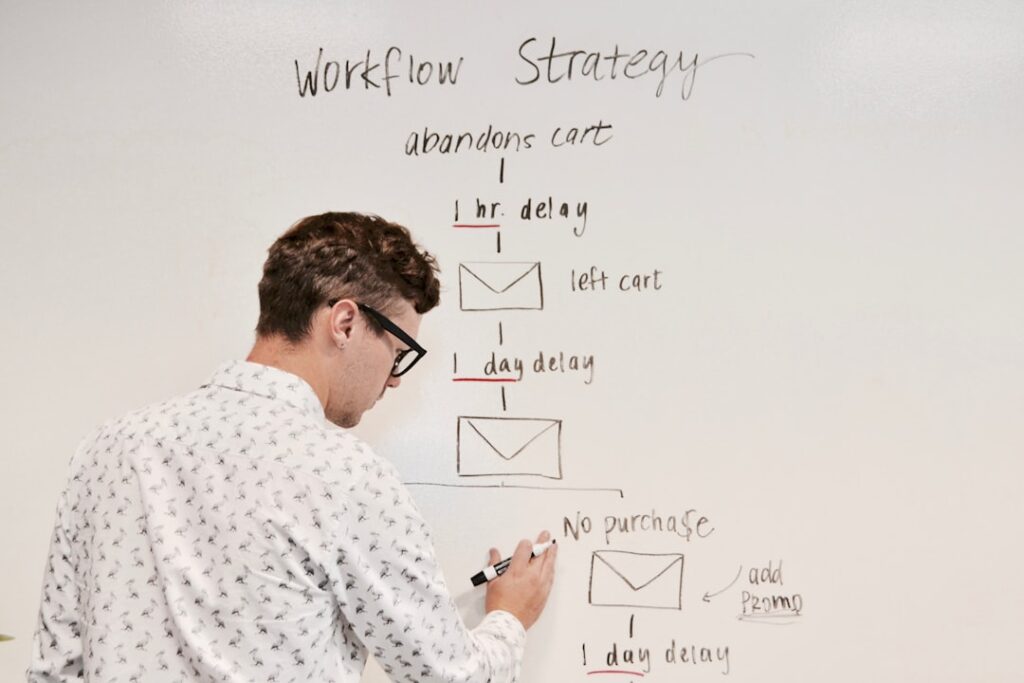
Owning AI tools without a clear strategy is like buying a professional camera and shooting on auto mode — you’ll get decent results, but you’re leaving the best outcomes on the table. These are the specific AI-powered strategies that consistently move the needle for WordPress sites in 2026.
Strategy 1: AI-Assisted Content Gap Analysis
Use AI tools to compare your existing content inventory against your top five competitors. Tools like Semrush and MarketMuse can identify topics your competitors rank for that you haven’t covered at all. The AI doesn’t just list missing keywords — it clusters them by intent and estimates the traffic opportunity for each gap. Your action step: run a content gap analysis monthly, prioritize the top five opportunities by traffic potential, and create content briefs using AI-generated outlines.
Strategy 2: Semantic Keyword Clustering
Instead of targeting one keyword per page, use AI to group hundreds of related keywords into semantic clusters. Each cluster represents a single piece of content that can rank for dozens — sometimes hundreds — of related queries. This is where AI dramatically outperforms manual research. A human might identify 10-15 related terms; AI can surface 200+ semantically connected queries in minutes. Build your content calendar around these clusters rather than individual keywords.
Strategy 3: AI-Optimized Content Refreshing
Your existing content is often your biggest untapped asset. Use AI tools to audit published pages against current SERP leaders, identify sections that have become outdated, and add new subsections that address emerging search queries. This strategy frequently delivers faster ranking improvements than publishing brand-new content. Phase it like this: audit your top 20 traffic pages quarterly, feed each through an AI content optimizer, and update the pages that have dropped more than five positions.
Strategy 4: Structured Data and Schema Generation
AI tools can generate schema markup (FAQ schema, HowTo schema, Article schema) from your existing content in seconds. Manually writing JSON-LD structured data is tedious and error-prone. LLMs like ChatGPT and Claude excel at this — paste your content, ask for the appropriate schema type, and validate the output with Google’s Rich Results Test. This directly impacts your chances of earning rich snippets and appearing in AI Overviews.
Strategy 5: Predictive Trend Targeting
Some AI SEO platforms analyze search trend trajectories and predict which topics will gain search volume in the coming months. Creating content ahead of a trend — before competition intensifies — gives you a significant first-mover advantage. Combine Google Trends data with AI-powered forecasting tools to identify emerging queries in your niche and publish optimized content before the wave hits.
If you’re experiencing difficulty implementing these strategies or want a customized plan for your WordPress site, our team at WordPress AI Tools can help you identify which approaches will have the highest impact for your specific situation.
Implementing AI in Your SEO Workflow

Done is better than perfect. You don’t need to overhaul your entire SEO process overnight. The most successful implementations we’ve seen follow a phased approach that layers AI assistance into existing workflows gradually, measuring results at each stage before expanding.
Phase 1: Start With Content Optimization
The lowest-friction entry point is using AI to optimize content you’re already creating. Add a tool like Surfer SEO or Frase to your writing workflow. Write your draft as you normally would, then run it through the AI optimizer to identify missing subtopics, improve readability scores, and refine your heading structure. This single change can improve content quality without disrupting your publishing schedule.
Phase 2: Automate Technical Audits
Once you’re comfortable with AI-assisted content, move to automating technical SEO audits. Set up monthly automated crawls that flag issues like broken internal links, missing alt text, thin content pages, and crawl errors. AI-powered audit tools can prioritize issues by estimated traffic impact, so you’re fixing what matters most first — not just working through a random checklist.
Phase 3: Scale With AI-Driven Strategy
At this stage, you’re using AI for strategic planning: content gap analysis, keyword clustering, competitive monitoring, and trend prediction. This is where the real compounding returns happen. AI handles the data processing and pattern recognition; you bring the editorial judgment, brand voice, and audience understanding that no AI can replicate. The combination is genuinely more effective than either alone.
Critical Gotchas to Watch For
AI content quality control: Never publish AI-generated content without human review. LLMs confidently produce inaccurate information. Every factual claim, statistic, and recommendation needs verification before it goes live on your site.
Over-optimization risk: AI tools can push you toward content that scores perfectly on their internal metrics but reads like a robot wrote it. Search engines are getting better at detecting this. Use AI scores as a guide, not a mandate.
Data privacy: Be careful about feeding proprietary client data, unpublished content strategies, or sensitive business information into third-party AI tools. Review each tool’s data retention and training policies before uploading anything confidential.
The Future of AI in Search Engine Optimization

AI SEO is evolving fast, but the direction is clear: search is becoming a conversation, not a query. The sites that thrive will be those optimized not just for traditional search engines but for AI assistants, voice search, and multimodal discovery. Here’s where things are heading.
Answer Engine Optimization (AEO)
As AI chatbots and assistants become primary information interfaces, optimizing for answer engines — not just search engines — is becoming essential. This means structuring content to be easily extractable by AI systems: clear question-and-answer formats, well-organized heading hierarchies, and concise, authoritative statements that AI can cite with confidence.
Personalized Search Results at Scale
AI is enabling search engines to deliver increasingly personalized results based on user behavior, location, preferences, and context. This means the same query might surface different pages for different users. The SEO implication: building comprehensive topical authority across your niche becomes more important than optimizing individual pages for individual keywords.
AI Agents and Autonomous SEO
The next frontier is AI agents that can autonomously execute multi-step SEO tasks: conducting audits, generating content briefs, drafting optimized articles, building internal links, and monitoring rankings — with minimal human oversight. We’re not fully there yet, but the trajectory is clear. The WordPress site owners who learn to manage and direct these AI agents effectively will have an enormous competitive advantage.
The Human-AI Partnership Model
Here’s the honest reality about the future: AI will handle the mechanical, data-heavy aspects of SEO with increasing competence. But strategy, creativity, brand differentiation, and genuine expertise will remain human domains. The most effective AI SEO approach isn’t “let AI do everything” or “do everything manually.” It’s building a workflow where AI handles what it does best (data processing, pattern recognition, scale) while humans contribute what they do best (judgment, creativity, authenticity).
Common Questions About AI SEO
We hear these questions regularly from WordPress site owners exploring AI-powered SEO for the first time. If your specific question isn’t covered here, feel free to reach out to our team for personalized guidance.
Level Up Your SEO with AI
Artificial intelligence search engine optimization isn’t a future concept — it’s the current reality of how competitive websites earn and maintain search visibility. The strategies and tools outlined in this guide give you a practical framework to start integrating AI into your WordPress SEO workflow today, whether you’re optimizing a single blog or managing dozens of client sites.
Start with the basics: pick one AI content optimization tool, apply it to your next five articles, and measure the impact on rankings and traffic. Give permission to start imperfect — you’ll refine your approach as you go. The site owners who are taking action now, even imperfectly, are building an advantage over those still waiting on the sidelines.
Contact WordPress AI Tools today to schedule a consultation if you want personalized guidance on building an AI-powered SEO strategy tailored to your site’s goals and budget. We’re here to help you navigate these decisions with confidence, not pressure. And if you’re not ready for that step yet, bookmark this guide, start with the free-tier tools mentioned above, and revisit when you’re ready to scale.

